I Built Veritaself Because I Never Felt Good Enough
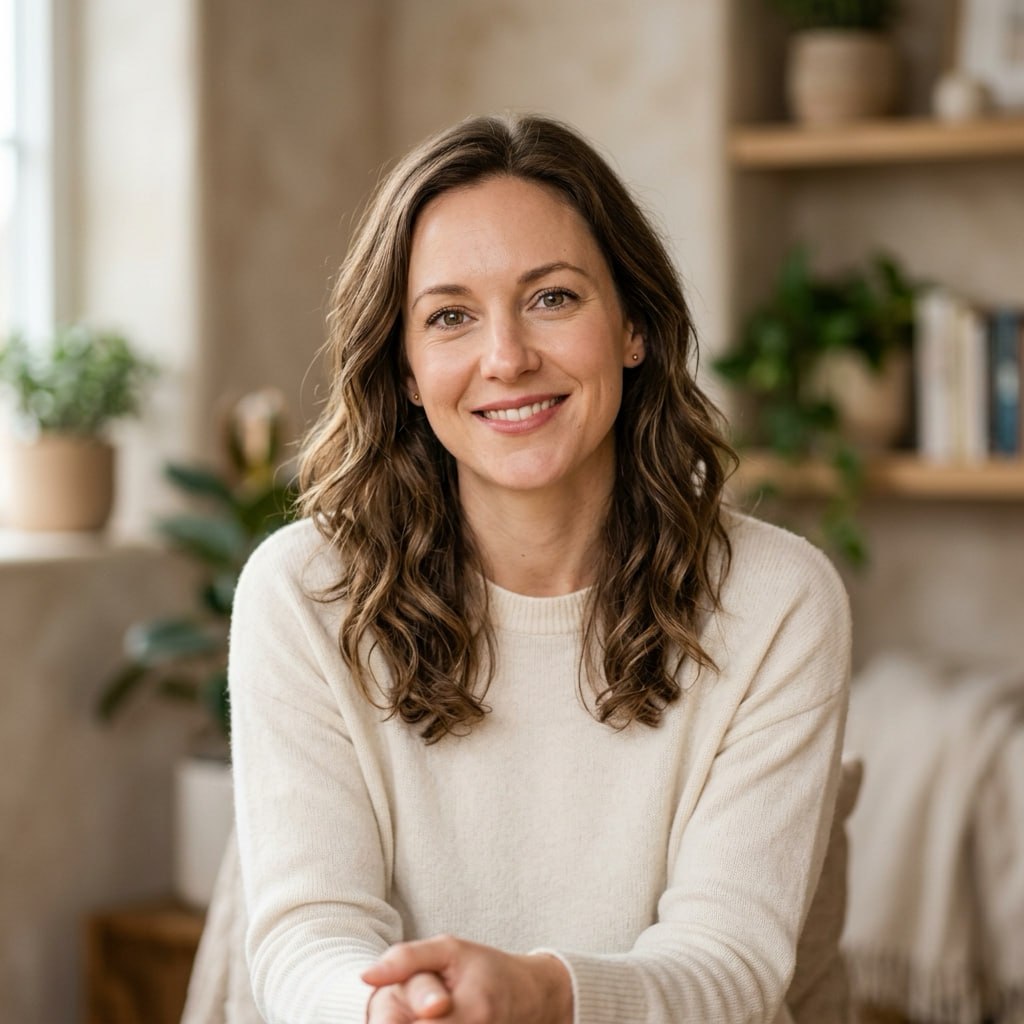
Every success I had came with a voice in my head whispering: 'They're going to find out you don't belong here.'
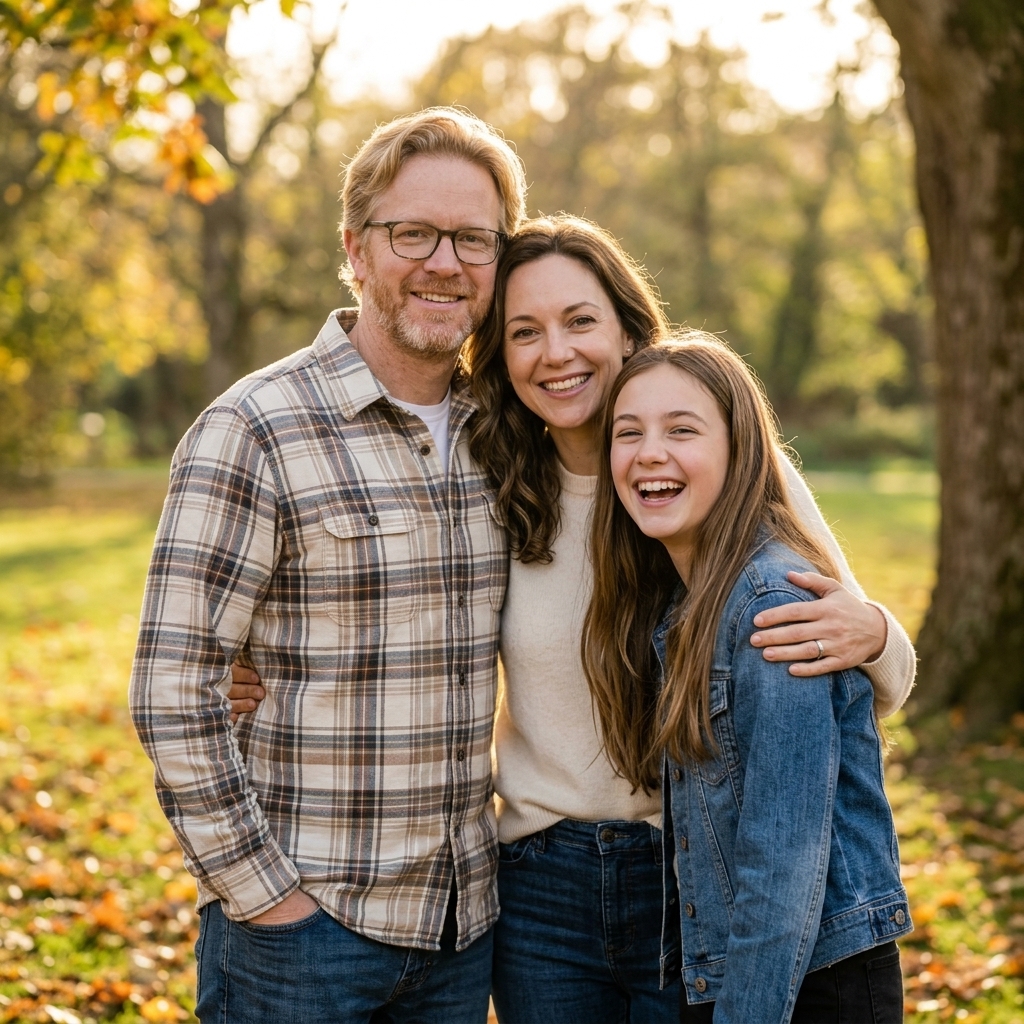
I'd get a promotion and immediately start dreading the moment everyone would realize I wasn't qualified. I'd finish a project successfully and attribute it entirely to luck. I'd sit in meetings with smart people and stay silent because I was convinced my ideas were stupid. My wife would celebrate my achievements and I'd deflect every compliment — 'It wasn't that hard,' 'Anyone could have done it,' 'I just got lucky.'
The breaking point came during a performance review. My manager said I was one of the strongest performers on the team. Instead of feeling proud, I felt pure terror. If they thought I was good, their expectations would rise. And then they'd see the truth — that I was faking it. I went home and couldn't sleep for three days.
I started researching — not motivational quotes, but the actual psychology of imposter syndrome. Why high-achievers are often the ones who feel most like frauds. What happens in the brain when success triggers anxiety instead of confidence. I spent months reading clinical research on self-attribution, perfectionism, and the cognitive distortions that trap capable people in cycles of self-doubt.
What I discovered changed everything.
Imposter syndrome isn't about ability — it's about how your brain processes evidence of your own competence. People who suffer from it don't lack skills; they lack the neural pathways to internalize success. And those pathways can be built.
The Veritaself Protocol is everything I learned, distilled into a 12-week program. It's the program I wish existed when I was succeeding on the outside and drowning in self-doubt on the inside — practical, science-based, and designed for people who can't accept they're actually good at what they do.
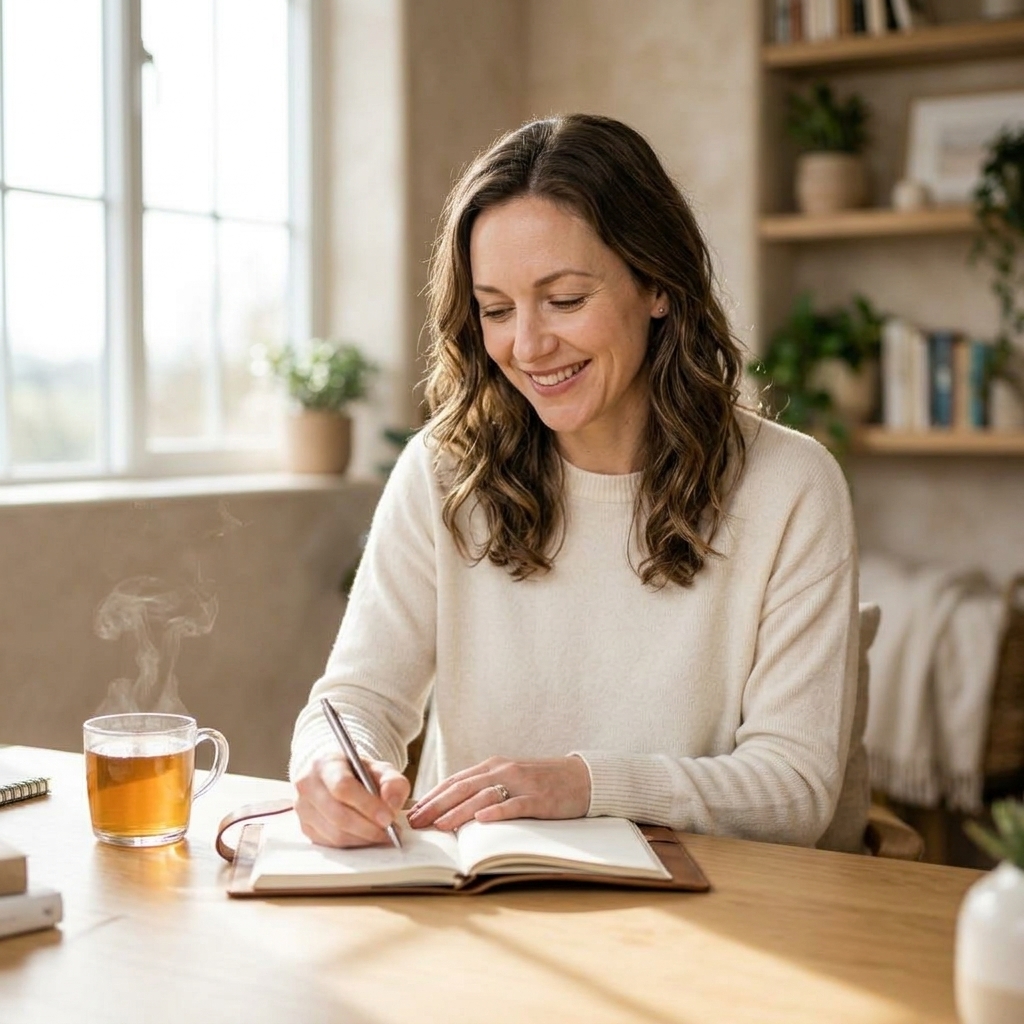
Today, I can hear a compliment and actually believe it. I share ideas in meetings. My wife says I've stopped apologizing for existing.
I'm not a psychologist or life coach. I'm someone who spent years feeling like a fraud despite real evidence to the contrary. And I built Veritaself for everyone who's exhausted by their own self-doubt.
— Sophie